 {{ logoDisc }}
DWELLER
TUSTIN, CA
MEDICINE AND
BODYWORK FOR
LIVING AT EASE
ACUPUNCTURE
CUPPING
MEDICINE
MODALITIES
TOUCH
{{ logoDisc }}DWELLER
MEDICINE AND
BODYWORK FOR
LIVING AT EASE
in your body.
ACUPUNCTURE
CUPPING
MEDICINE
MODALITIES
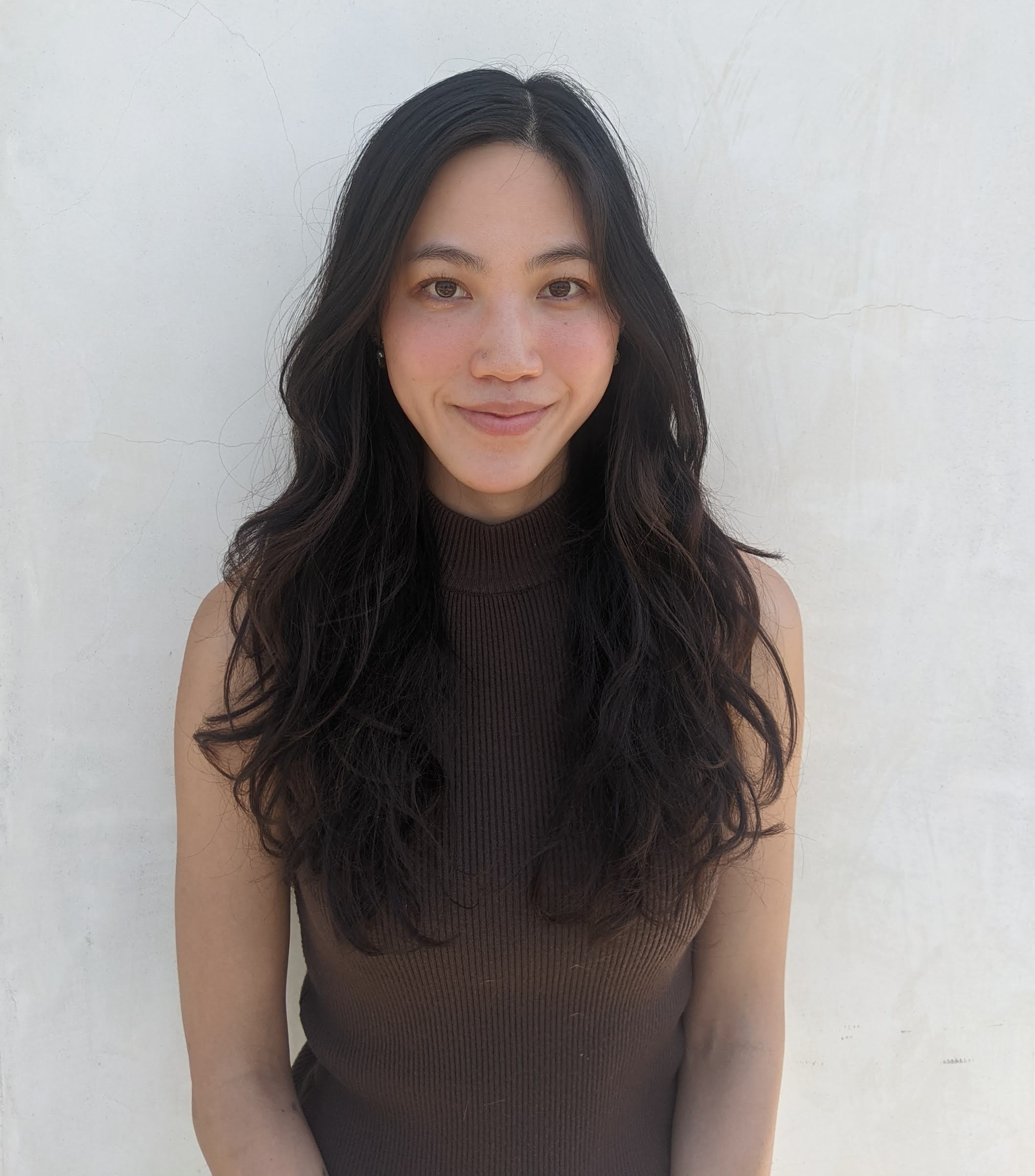
Before studying Chinese medicine, I studied the ethics and anthropology of artificial intelligence at NYU. Over time, my curiosity moved away from technologically mediated ways of living and toward something more earthly & tactile: the body, the senses, and the experience of being human. My own experiences with chronic symptoms eventually brought that curiosity into medicine.
What drew me to Chinese medicine—and still shapes the way I practice—is its ability to make sense of seemingly unrelated symptoms as parts of a larger pattern. Rather than isolating one complaint, I look at how pain, digestion, sleep, stress, hormones, energy, and the nervous system may be interacting.
People often arrive at acupuncture after having tried plenty, feeling unsupported, or simply unsure what to do next. My role isn't to give you another to-do list or make your health feel like a project. I take the time to understand what’s going on and tailor each treatment to what feels most useful that day—whether focusing on one concern or several at once. When appropriate, I also welcome collaboration with the other practitioners involved in your care.
My goal isn’t to promise a symptom-free body. It’s to help you have more capacity, more comfort, and more freedom within the body you inhabit—whether you’re recovering from injury, managing something chronic, moving through a stressful period, or simply trying to feel more like yourself again.
Whatever brings you through my door, I want treatment to help you feel more supported and at ease in your body—not at odds with it. My hope is that you come to see your body as a place to sweetly dwell in.
Acupuncture is less about treating a symptom in isolation, and more about understanding the system that produced it.
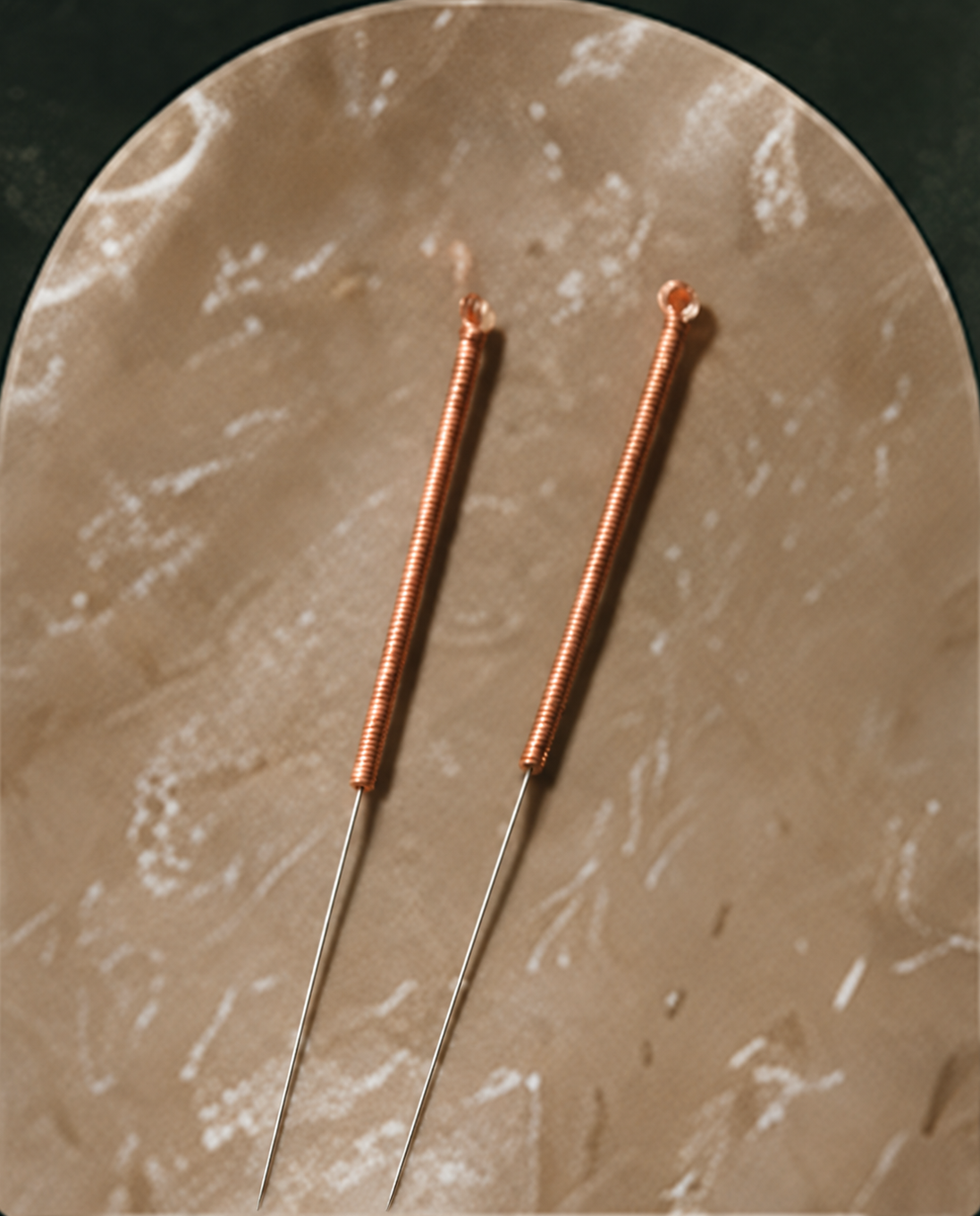
Acupuncture is a traditional East Asian medical practice with a history spanning thousands of years. Today, it is used alongside modern healthcare to support pain management, recovery, systemic regulation, and overall wellness.
The research-backed practice of inserting very fine, sterile needles into select points on the body stimulates a cascade of physiological responses which regulate the nervous system, encourage blood flow, moderate hormones, reduce inflammation, and support immunity.
Because acupuncture engages the body's own regulatory processes, its therapeutically effective at treating a broad range of conditions, including but not limited to:
Traditional Chinese Medicine gives us the holistic framework to look for the relationship between symptoms and conditions so that we're able to address more than one of these at once.
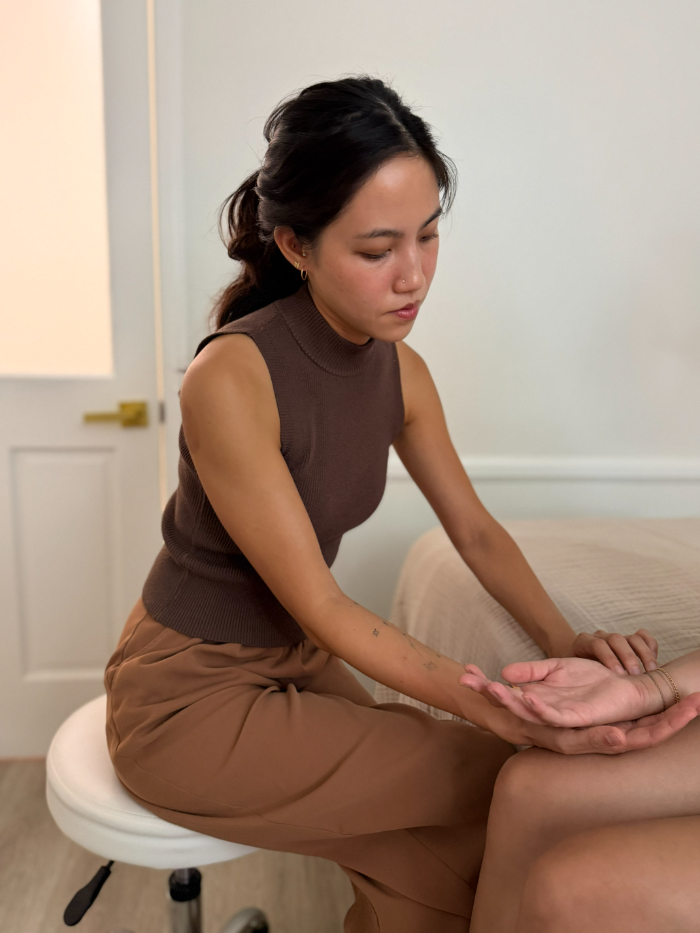
We don't always get to choose what happens to our bodies. We age, we work and stress. We care for friends and family. We experience injury and illness, loss, heartbreak and burnout. Life leaves its imprint on our physiology.
Acupuncture can offer support through all of these seasons—whether you're addressing something new, navigating something longstanding, or simply wanting to invest in your health for the road ahead. The goal isn't to make life entirely frictionless, but to build enough resilience and capacity to hold both ease and difficulty—to move, connect, inhabit your life, and feel like yourself while doing it.
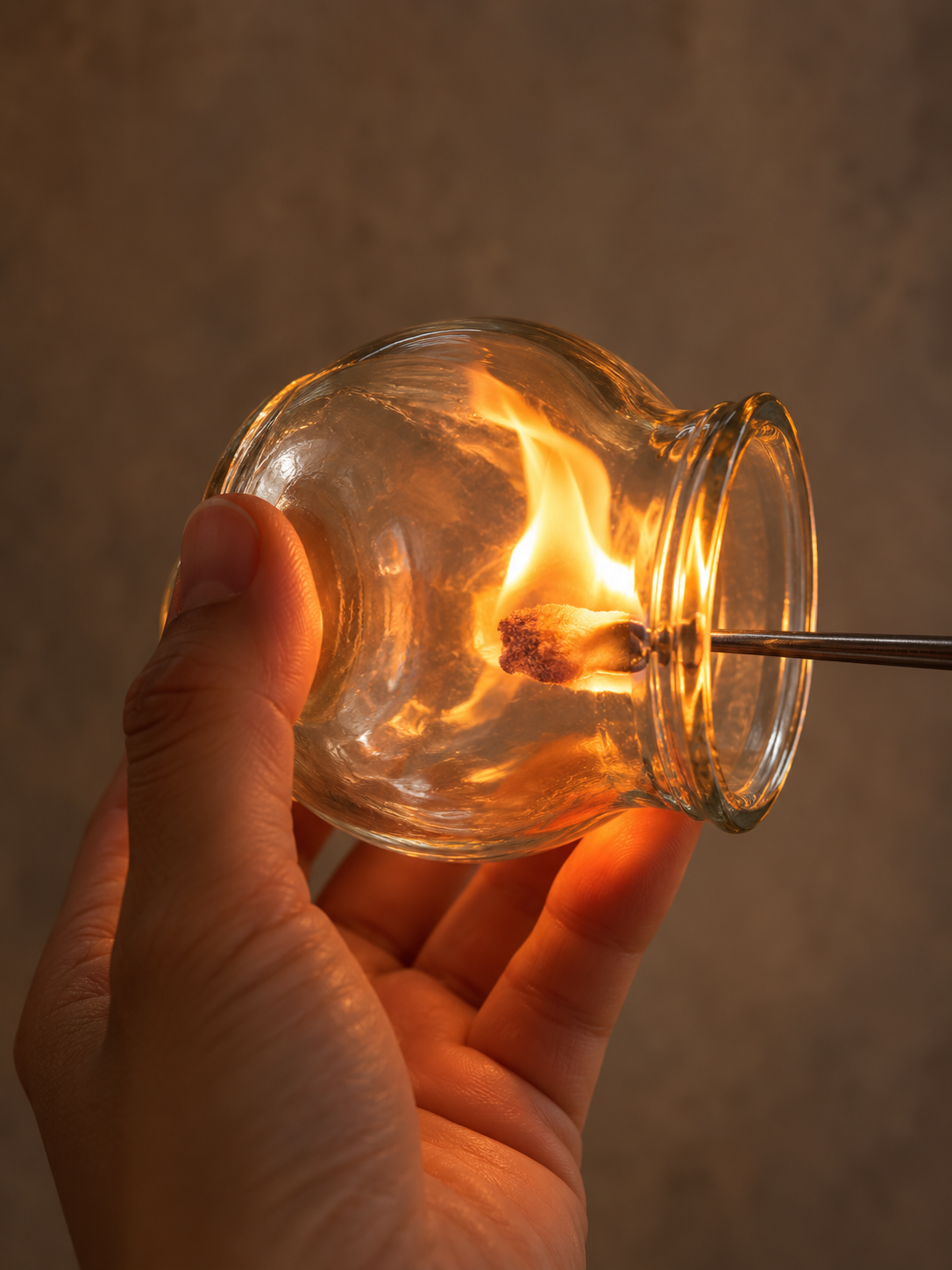
Another long-practiced modality - fire cupping involves a brief flame used to create suction for glass cups placed quickly onto the skin. Cups may be left in place or glided across the muscles for a massage-like treatment with a gentle sense of warmth. Though it may look intense from the outside, patients are surprised by how soothing and restorative this treatment feels. Its therapeutic benefits may include:
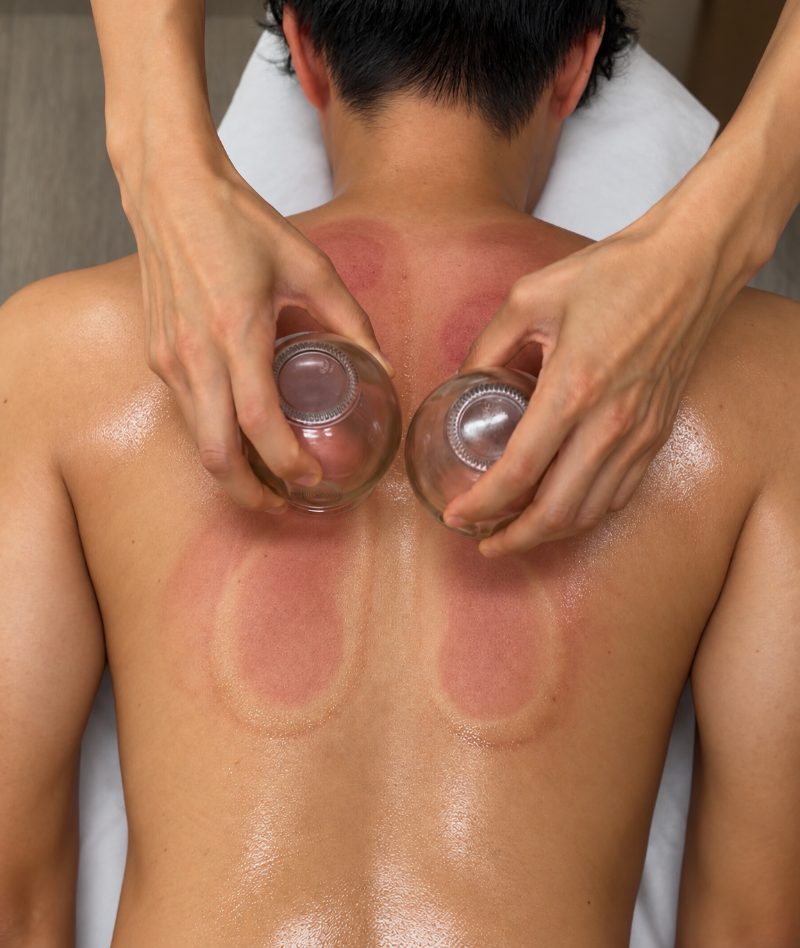
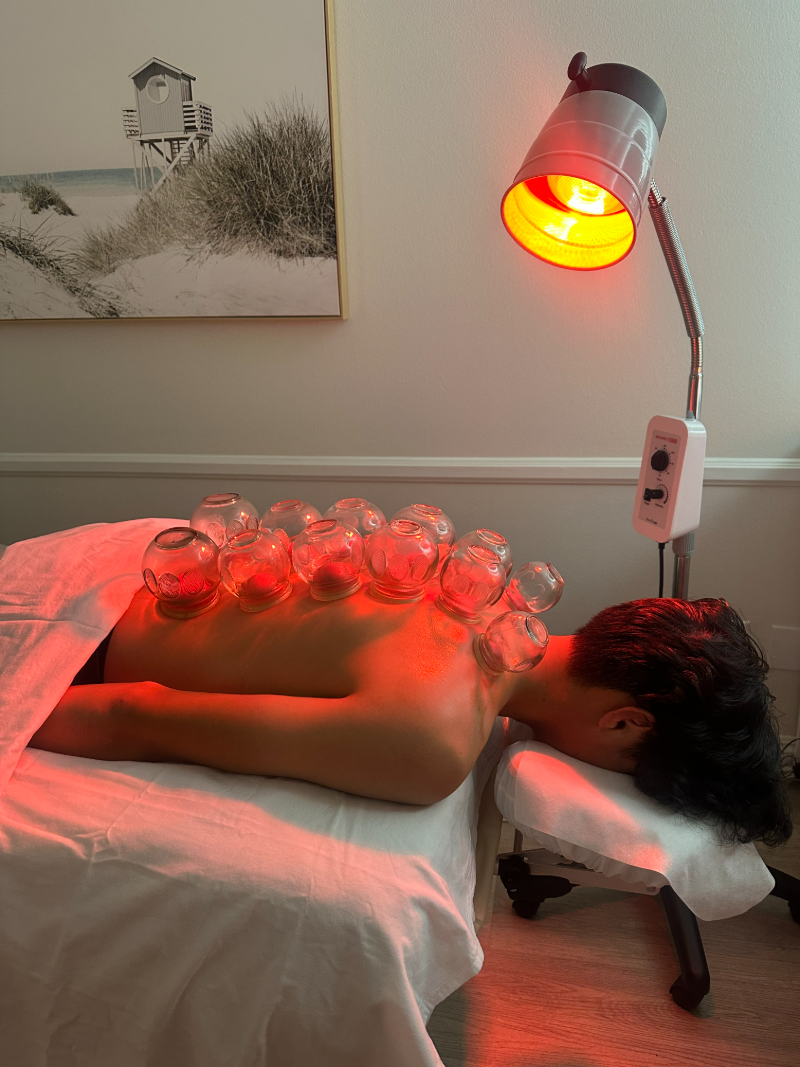
Cupping is especially popular among competitive athletes and avid exercisers, as well as those who spend long hours stationed at a desk, behind the wheel or after long travel.
It can be added to an acupuncture treatment or booked on its own.
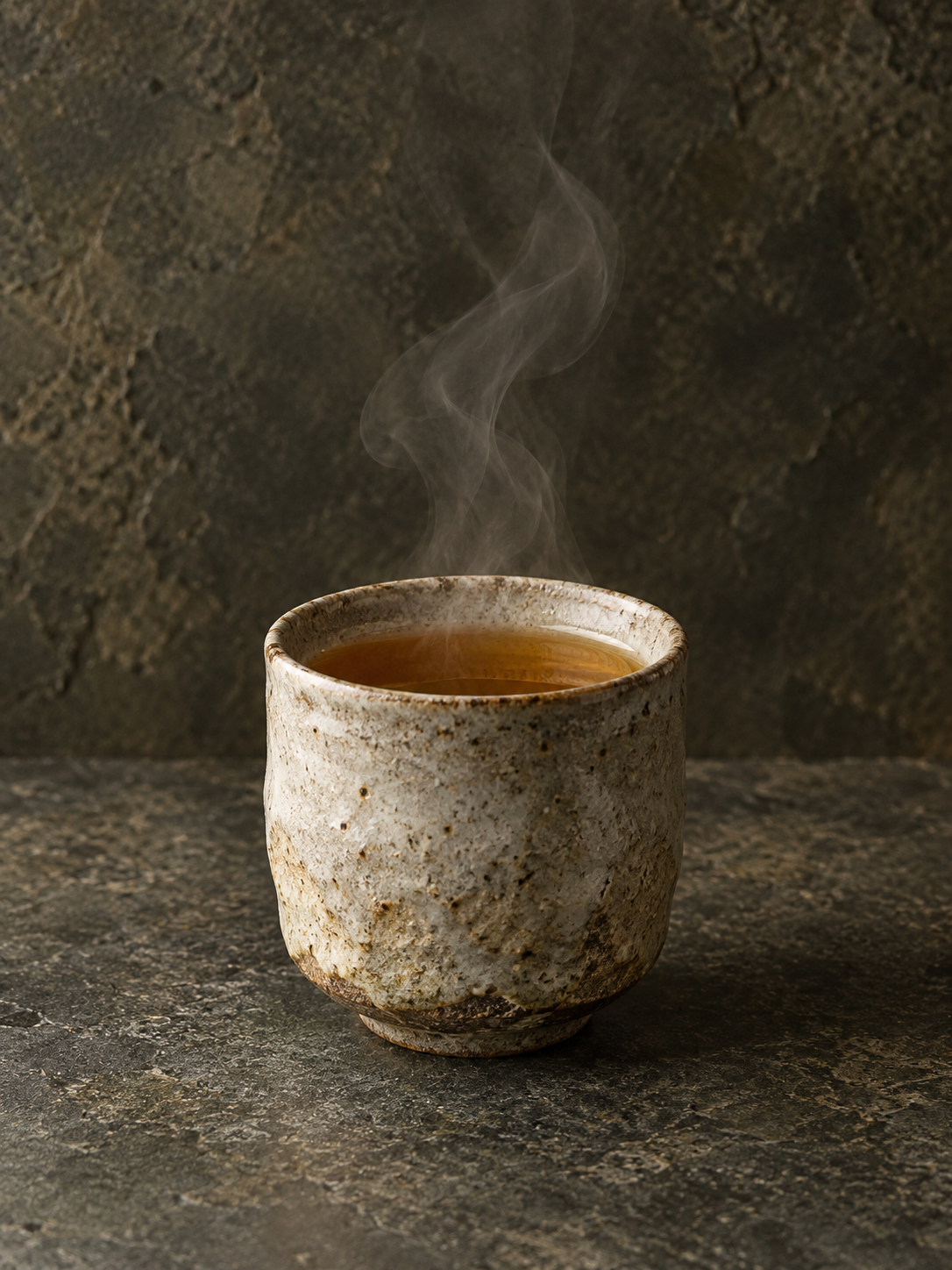
Herbal medicine offers another layer of extended care and progression beyond your time on the treatment table. Chinese herbs are naturally derived from plants, minerals, and animals, and thoughtfully combined to address chronic and acute symptoms. Hundreds of classical formulas have been developed and used over many centuries in Asia, and are now extensively researched by modern scientists for their capacity to support symptoms of:
Formulas can be customized and adjusted over time as your symptoms, needs, and response to treatment change.
Herbal consultation can be added to your acupuncture visit or booked on its own if you’re needle shy.
* herbs are ordered + shipped following your visit
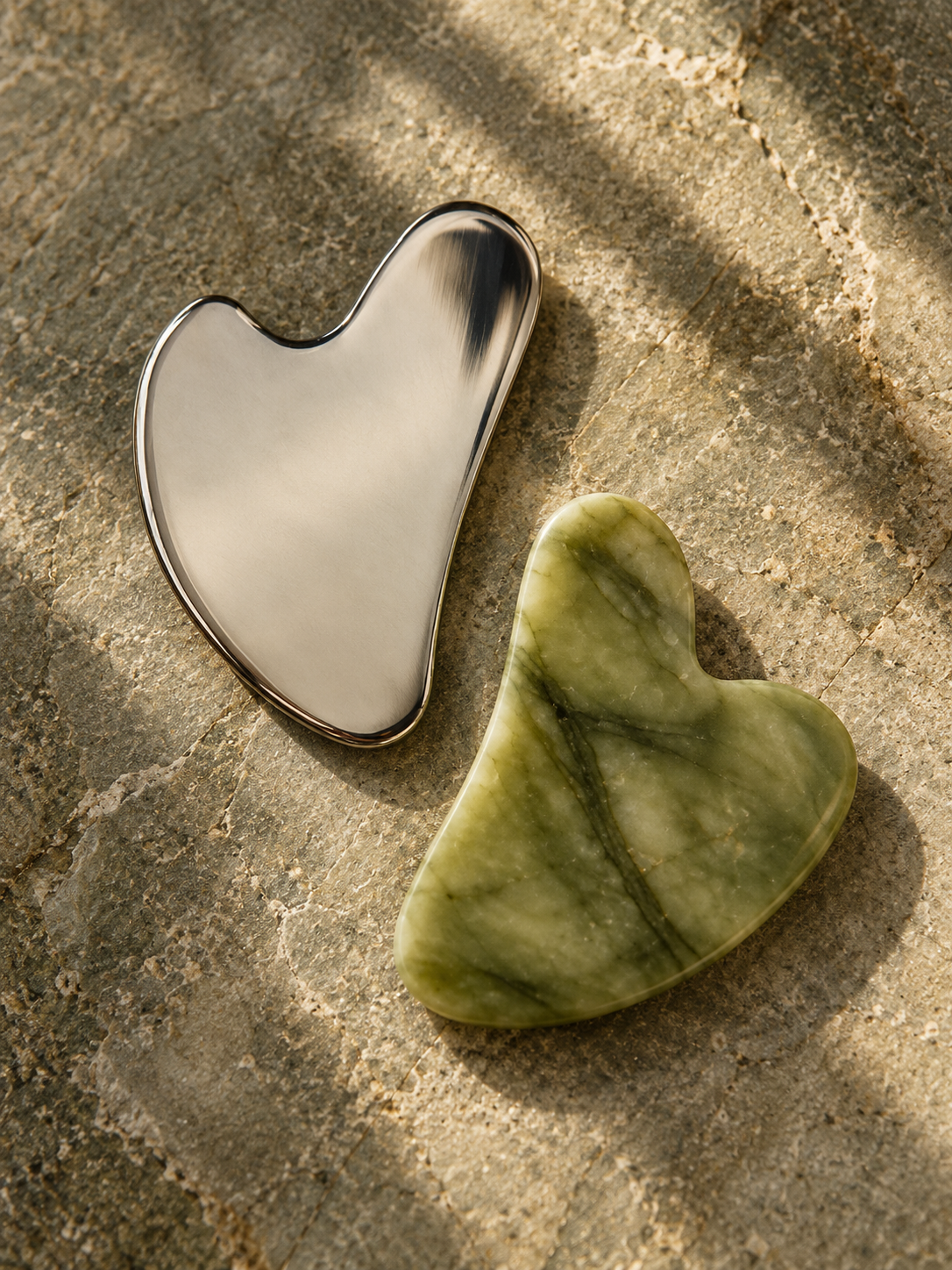
Acupuncture is just one of many natural modalities from the long-standing healing traditions. Depending on what your body needs when you come in, treatment may also include cupping, gua sha, ear seeds, electric stimulation or herbal medicine.
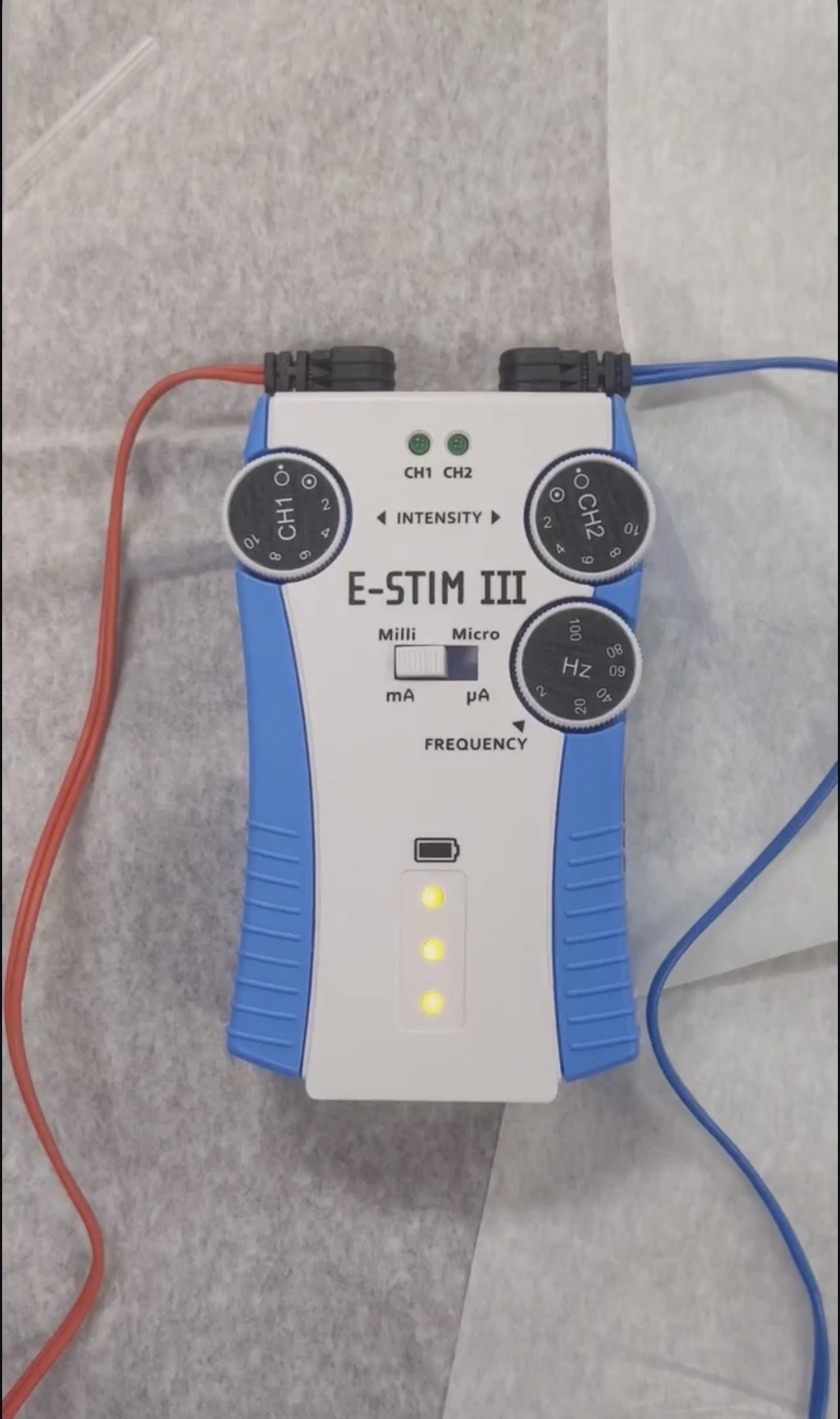
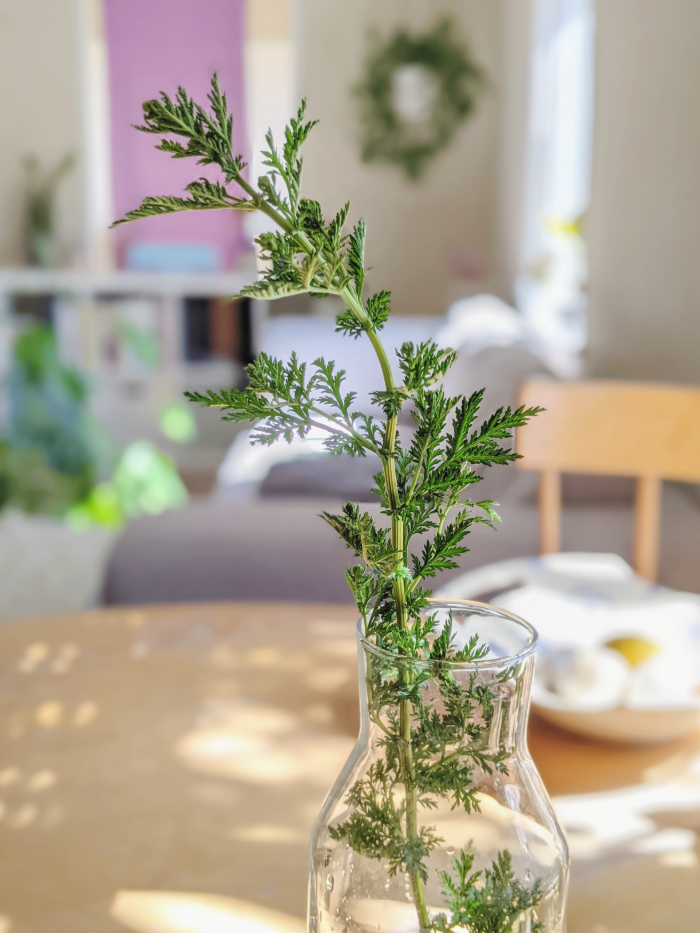
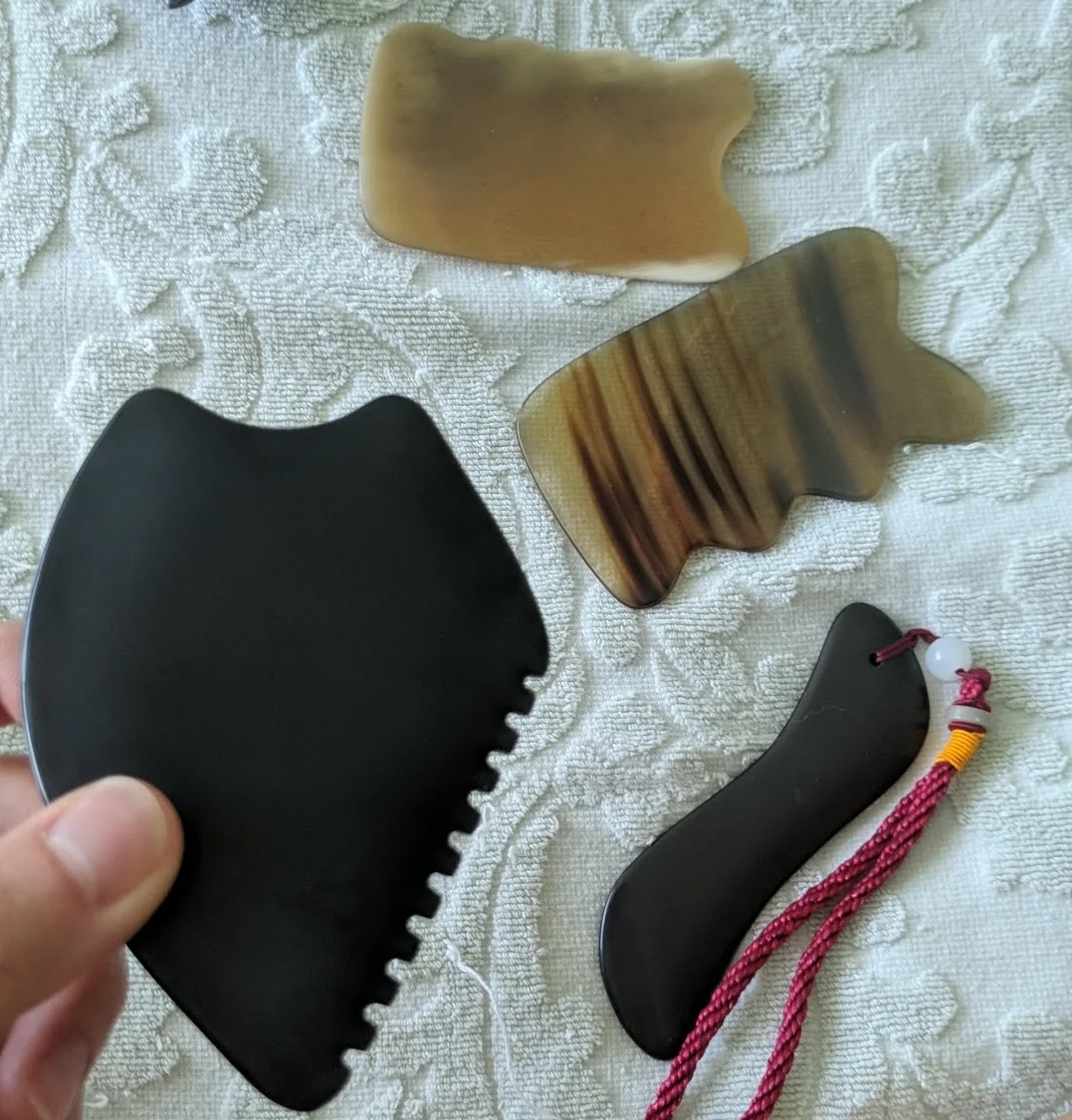
These therapies aren't add-ons for the sake of doing more. Each offers a different way of influencing the body's physiology and supporting the work of treatment.
If you're curious to learn more about which of these traditional treatments may be suitable for your wellness goals:
The short answer: usually not. Most people are surprised by how little they feel and some even enjoy paying attention to the unique, subtle sensations that arise during treatment. You may notice a slight tingle, warmth, or pulsing as a needle settles in, but acupuncture is not meant to test your pain tolerance or make you brace.
It depends on what we're working with, how long it's been present, and how your body responds. The effects of acupuncture tend to be cumulative, so we typically recommend a consistent schedule at the beginning, then space treatments out as your system becomes more responsive and stable. Treatment timelines vary for each patient and will be discussed during your initial consultation.
I am not in-network with any insurance providers at this time.
If cost is a barrier to receiving treatment, please send me a message to learn about sliding scale availability. I offer a limited number of sliding scale appointments each month, as well as discounted treatment rates for students, teachers, healthcare providers, and veterans.
Come dressed comfortably, ideally having eaten something light beforehand.
Your first visit will start with a consultation (~30 min) before receiving acupuncture so that we can assess your needs and tailor your treatment. Following assessment, you can expect to be resting on the treatment table for 30-45 minutes; this depends on what regions of the body are being treated and if additional modalities are selected.
Follow-up visits begin with a shorter progress check-in and then treatment.
For safety reasons, treatment cannot be provided to anyone who arrives intoxicated or actively under the influence of recreational drugs.
inspiring your care lately
Practitioners and providers I trust.
Interested to learn more about how acupuncture, cupping, or herbal medicine may support you? We're happy to answer questions or share more about what we offer before you book your first visit. Just let us know when is a good time to connect: